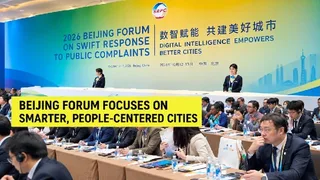
How Beijing's 12345 forum reshapes global talks on urban governance
About a week ago, at around midnight, I was jolted awake by a loud noise.
Living next to railway tracks, I am no stranger to the occasional rumble.
But this one was loud enough to wake me even with earplugs in.
So I called the only number I knew could help: the hotline for swift response to public complaints, 12345.
The operator politely confirmed my location and told me that someone would get back to me within a few minutes.
Five minutes later, I received a call.
I was told that urgent maintenance work was being carried out on the railway tracks and was given an estimate of how much longer it would continue.
And, almost like clockwork, the noise stopped when the stated time was up.
I went back to sleep, but the experience stayed with me.
Not simply because my immediate problem had been addressed, but because of the system behind that seemingly ordinary phone call.
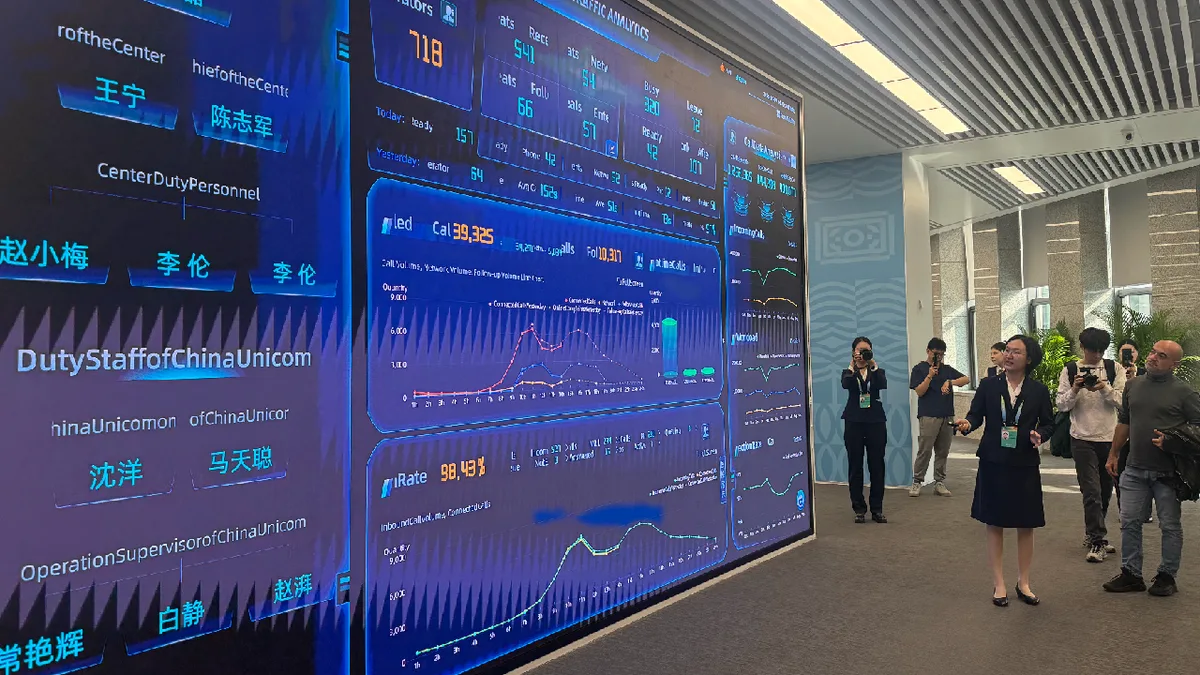
So I decided to take a deeper look at how a city of more than 20 million people turns individual complaints, questions and requests into concrete government action.
And what does a hotline reveal about the way a city approaches governance? From the mayor's hotline to a citywide governance platform China's government hotlines have a history stretching back several decades.
Some cities began introducing services known as "Mayor's Hotlines" in the 1980s, giving residents a direct channel to raise concerns with local authorities.
Over time, cities developed and consolidated their public-service hotlines, with 12345 becoming the unified number for non-emergency government services.
此摘要由5News从媒体的公开信息源汇聚而成。 包含完整背景的全文在www.cgtn.com — 内容归CGTN World (oficial)所有。