US economist Barry Eichengreen on reality of de-dollarisation and next currency reshuffle
The former IMF adviser examines how de-dollarisation is gaining pace and what lies ahead for China’s yuan
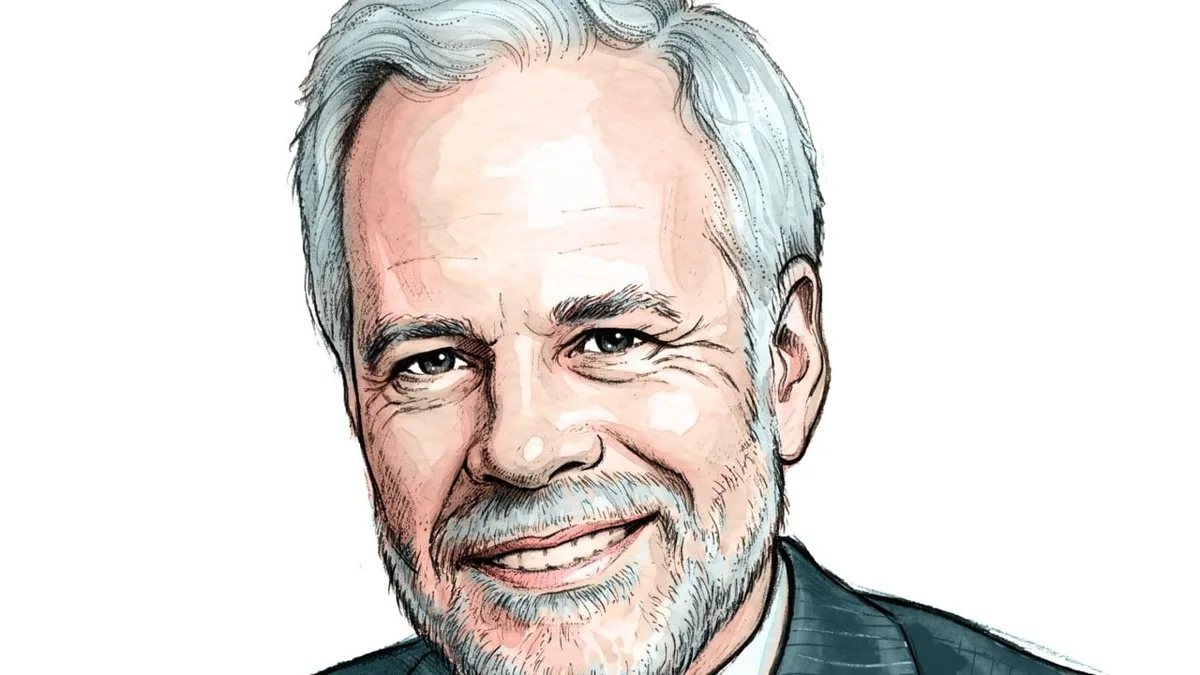
Barry Eichengreen is a leading American economist and one of the world’s foremost experts on international monetary systems. He is a professor of economics and political science at the University of California, Berkeley , where he has taught since 1987. He served as a senior policy adviser at the International Monetary Fund in 1997-98.
Here, he discusses why today’s “de-dollarisation” talk is different from past episodes, how close the world is to a reshuffling of the international monetary system, and what it will really take for the yuan to close the gap.
Since last year, discussions about “de-dollarisation” have resurfaced with renewed intensity. In your view, how much of this reflects a genuine structural shift? And what, if anything, makes the current moment different from previous episodes of dollar scepticism?
My view is that a genuine structural shift is finally getting under way against the backdrop of some long-standing concerns about the US dollar – for example, concerns about the high level of public debt in the United States and whether the growth of the debt is sustainable or not.
If there are chronic debt problems, will they have negative implications for the stability of the dollar and the value of foreign central banks’ holdings of US Treasury securities? Those concerns are long-standing, and people have been pointing to them when asking whether the era of dollar dominance may be coming to a close – they have been pointing to them for a long time.
What is new and different, however, are two sets of questions that we did not use to ask about the United States and the dollar, but everyone is asking now.
此摘要由5News从媒体的公开信息源汇聚而成。 包含完整背景的全文在www.scmp.com — 内容归South China Morning Post - Business所有。