Despite US sanctions on Xinjiang cotton, China’s textile industry weathers the storm
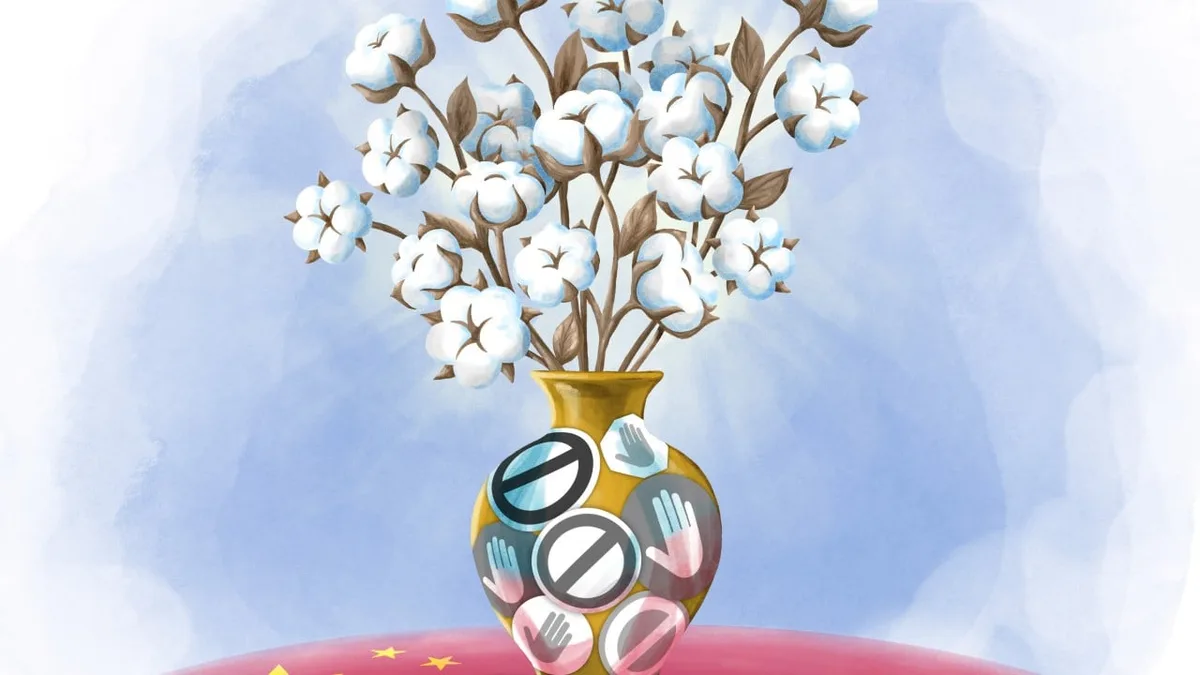
Dozens of firms that source from the region were added to a US import blacklist, but few appear worried after years of diversification
When the US government announced the addition of 43 Chinese companies to an import blacklist in late July over allegations of forced labour in the country’s western Xinjiang Uygur autonomous region – including several household food and apparel brands – the local reaction to the news was surprisingly calm.
“It felt like a sudden batch of companies was added out of nowhere … but it shouldn’t have much of an impact on the sector,” said the owner of a cotton-ginning mill in southern Xinjiang, who spoke on condition of anonymity.
This was a far cry from the panic triggered four years ago, when Xinjiang cotton became a geopolitical flashpoint between Washington and Beijing.
“At least for Xinjiang cotton, I feel the industry has weathered the storm,” he said. Now, the local processing rates of cotton products are “remarkably high” – around 30 to 40 per cent – and development across the entire cotton textile supply chain is booming, he added.
“From spinning and weaving to printing and dyeing, companies are steadily expanding their scale,” the mill owner said.
His change in attitude might also be a snapshot for a broader change in the global political landscape. After significant export diversification efforts and a shift in the balance of power between China and the US – especially since last year’s sweeping trade war – Chinese industries seem to be reacting to US sanctions with greater resilience and confidence.
此摘要由5News从媒体的公开信息源汇聚而成。 包含完整背景的全文在www.scmp.com — 内容归South China Morning Post - World所有。