2026年10月17日星期六 媒体关于🌓
🇨🇳 CN ▾
快讯
› ‘Hot economics, cold politics’: why China gave nod for expanded Japanese trade trip› Trump mocks popularity of Mohammad as Muslim name during campaign speech› 庆祝中俄建交77周年音乐会在莫斯科举行› Olympian-turned-singer Fong hoping to inspire Hong Kong by swimming from city to Macau› 10月17日新闻早报› China warns EU not to ‘fantasise’ on trade approach as Brussels confirms new ‘kill switch’› Oregon teen gunman was tackled by ‘heroic’ teacher then shot by students’ father› 赞比亚霍乱疫情致25人死亡 官方紧急启动疫苗接种› 苏丹西部城市遭无人机袭击 造成至少30人死亡› New details emerge in US investigations of Chinese-American scientists over China links› ‘Hot economics, cold politics’: why China gave nod for expanded Japanese trade trip› Trump mocks popularity of Mohammad as Muslim name during campaign speech› 庆祝中俄建交77周年音乐会在莫斯科举行› Olympian-turned-singer Fong hoping to inspire Hong Kong by swimming from city to Macau› 10月17日新闻早报› China warns EU not to ‘fantasise’ on trade approach as Brussels confirms new ‘kill switch’› Oregon teen gunman was tackled by ‘heroic’ teacher then shot by students’ father› 赞比亚霍乱疫情致25人死亡 官方紧急启动疫苗接种› 苏丹西部城市遭无人机袭击 造成至少30人死亡› New details emerge in US investigations of Chinese-American scientists over China links
中国新闻

China’s space race has a new problem: finding room for failure
South China Morning Post - China ·
China’s space race has a new problem: finding room for failure

Does Beijing have time to fully investigate the year’s fourth rocket failure or will launch schedules force rapid returns to service?

The cause is unknown, yet explanations are fast becoming a story of their own.

Neither of the two explanations in circulation has official backing. One points to the YF-100, the kerosene-oxygen engine that powers the 7A rocket’s first stage and four boosters. The engine is also used for the Long March 5, 6, 6A and 8, as well as the newer 10 and 12. The other explanation points to a possible structural failure near Max-Q, the point during ascent when the rocket faces its highest aerodynamic stress. Independent space flight trackers reached this view after studying the launch footage frame by frame.

Some trackers argue that the brief engine anomaly, seen before the break-up, happened too quickly to explain what followed. Others think an engine problem could have triggered a structural failure under heavy aerodynamic loads. But these are arguments and observations derived from the footage, rather than a confirmed finding.

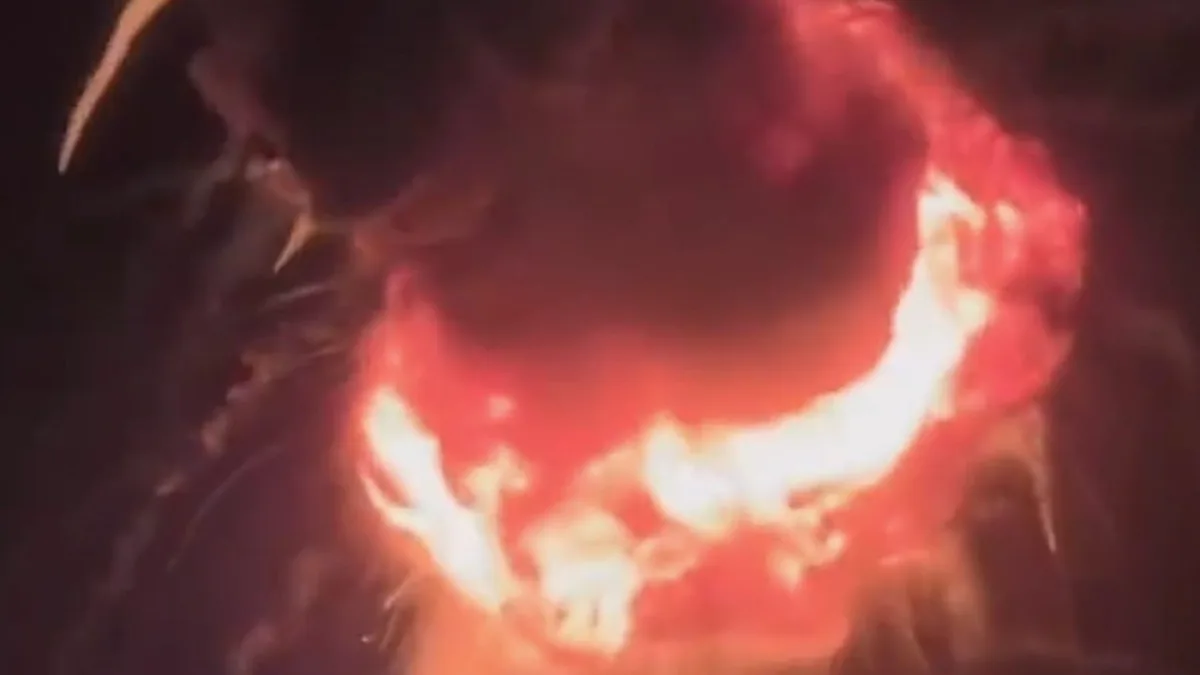
Still, both explanations start with the same fact: the failure happened about 85 seconds after launch, during the burn of the first stage and four boosters.

在South China Morning Post - China阅读完整文章 ›

此摘要由5News从媒体的公开信息源汇聚而成。 包含完整背景的全文在www.scmp.com — 内容归South China Morning Post - China所有。

更多来自South China Morning Post - China的报道

查看全部 ›

更多中国新闻新闻

查看全部 ›