Can the SCO take root locally and culturally?
In Beijing this month, the Shanghai Cooperation Organisation (SCO) put a human face on regional cooperation.
Launched on August 14, the Kind-Hearted Journey project aims to provide free medical treatment to 500 children with congenital heart disease from SCO member states over the next five years.
Mobile medical units will also travel to remote areas to screen and treat patients.
For an organization better known for summits and trade, it poses a simple question: how does cooperation reach those far from the negotiating table? The mobile medical units show what this can mean in practice.
To reach people far from political centers, cooperation has to travel too.
Much of that work happens at the regional and municipal level, where international ties can become part of everyday life.
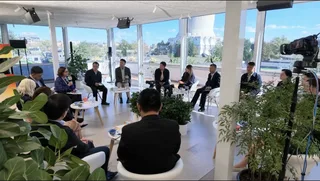
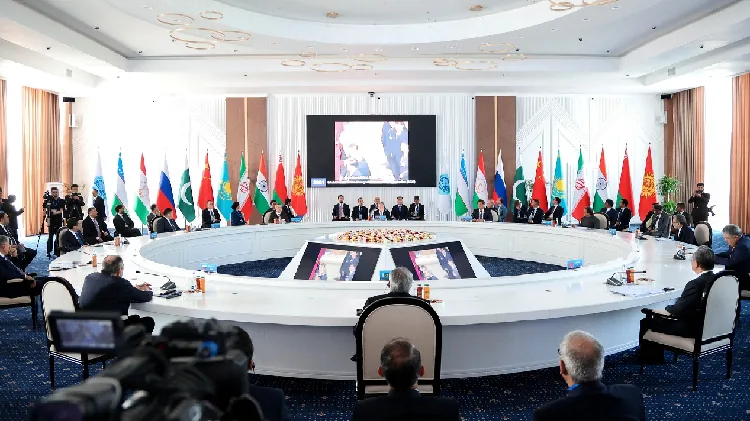
In May, the fifth Forum of Heads of Regions and Sister Cities of SCO Member States brought local leaders together in Cholpon-Ata, Kyrgyzstan, to strengthen inter-regional and inter-municipal cooperation.
The forum gives cities and regions more room to build connections of their own.
But a city-to-city relationship cannot live on agreements alone – it needs places and occasions for people to encounter one another.
That is where cultural exchange comes in.
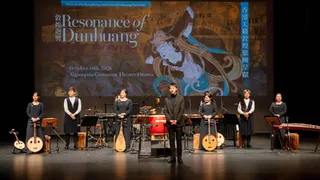
At the SCO Countries Civilizations Dialogue held in Bishkek in July, more than 200 cultural figures, media professionals and academics from member states gathered around exhibitions, performances and discussions.
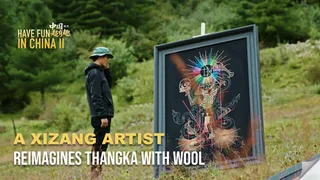
A digital exhibition on the origins of Chinese civilization stood alongside a stage performance inspired by the Kyrgyz epic Manas, while an art exhibition presented works from across the SCO.
These encounters give institutional partnerships a human dimension: people encounter not simply another country, but its stories, symbols and ways of seeing the world.
Film, too, is one of the most direct forms of cultural exchange.
此摘要由5News从媒体的公开信息源汇聚而成。 包含完整背景的全文在www.cgtn.com — 内容归CGTN Culture (oficial)所有。