‘They Lost Granny’
Twelve hours after Summerland had been evacuated, my mom and aunt had come to a stark conclusion.
My grandmother, a cantankerous 93-year-old woman with dementia and a government-subsidized spot in a private Summerland care home, may or may not have actually disappeared. The problem is that we didn’t know.
What we did know is that my aunt, who has Grandma’s power of attorney, was unable to find anyone to confirm that she was safe and receiving care, medicine and food.
My grandmother had, to our eyes, dropped off the map as flames raced toward her seniors home. And we could only hope that someone actually knew where she was.
Because my grandma’s cognitive capabilities have declined with age and she doesn’t have the ability to participate in this, I’m going to avoid using her name or providing too many specifics. I’ll say only that her relationship with my family is, to use a euphemism, complex. But even difficult people need health-care advocates, and emergencies concentrate one’s focus on a single question: Is my family member getting the care and protection they need?
My grandma lived in a facility called Summerland Seniors Village with a mix of private and publicly funded beds at a range of care levels. She lived in an assisted-living bed but, like many in B.C., was awaiting a bed in a long-term care facility that would provide more support. She uses a scooter for mobility and has some, though not all, of her previous cognitive capabilities. Her power of attorney resides with my aunt, who for decades was a nurse; part of that work involved co-ordinating long-term care. That previous experience informed my aunt’s pursuit of information and her (and our) understanding of how health-care systems are supposed to function.
My aunt, having failed to reach anyone from Summerland Seniors Village, begins to search online for information about my grandma’s potential whereabouts. She hears residents from Summerland Seniors Village have been taken to Penticton’s hockey arena and/or its conference centre, where evacuation centres had been organized. Facebook posts by other families suggest some or all patients had been, or were in the process of being, moved to other long-term care homes in the Okanagan. Again, details are vague. Those facilities do not answer the phone.
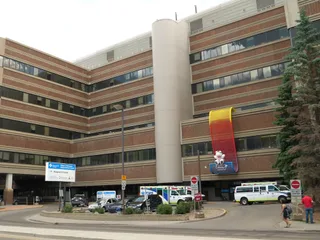
Interior Health, which regulates seniors care and publicly funds and subsidizes many of the beds in the facility, has set up a hotline for families to call. My aunt calls the number, but no one has my grandma’s name on file. The call respondent suggests my aunt call Kelowna General Hospital. My aunt does so, inquiring whether my grandma had been admitted — or was in the morgue. My grandma is not at the hospital.
My aunt is told to keep checking with Interior Health. The health authority’s hotline, however, stops operating at 4 p.m. Emergency or no emergency, it is still the weekend.
We speculate on Grandma’s potential location. We agree the most likely thing is that Grandma is sitting at the conference centre. We are unsure whether she is receiving food, care, medication or other help, or whether her movements are monitored.
5News aggregated this summary from the outlet’s public feed. The full article, with all the context, is on thetyee.ca — the content belongs to The Tyee.