A Moroccan soccer player dreamed of Europe — but died on her way to Ceuta
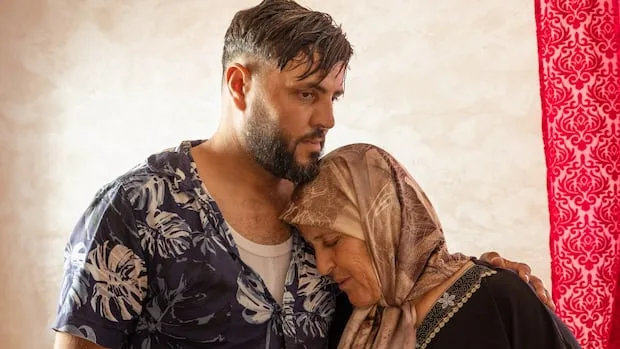
"The only thing by which I was able to identify her body was a necklace," said Jamila Afelom about her daughter, Fatin Ben Homar Azizi. "I had given [it to] her before she left."
Afelom found her daughter's body in a hospital a day and a half after Fatin had tried to reach the Spanish enclave of Ceuta by swimming from Morocco.
Speaking to CBC News earlier this month via video call from the northern Moroccan city of Tétouan, about 40 kilometres from Ceuta, Afelom often looked away from the screen. At times her voice broke and she covered her face with her hands as she recalled that day in late July.
"People I knew had seen Fatin's body being taken out of the sea," she said. "I will never forget the shock."
'Absolute chaos' as thousands of Moroccan migrants breach Spain's Ceuta border
Morocco arrests 111 migrants headed to Spain's Ceuta as sides step up crackdown
Bold, determined and a little boyish is how Afelom described her 26-year-old daughter.
"She often skipped school. She would leave her schoolbag at school and run away to play football," she said.
Soccer was Fatin's biggest passion. Coach Adel El Kaab of Moghreb Athletic Tétouan, a club that competes in Morocco's top tier, had known Fatin since she was a little girl. She trained with him for several years before joining another Tétouan-based club, Moghreb Atletico Tanger, this winter.
"She was like a younger sister. I miss her," said El Kaab, who is paid to coach male teams but volunteers his time training women's teams.
El Kaab told CBC News "football is a refuge for these girls," as many of them live in difficult economic conditions.
Even though he tries to warn his players of the dangers of irregular migration routes, many of the players he coached left during the last major departure, hoping to find a brighter future in Europe.
"Two have returned, but around eight girls are still in Ceuta," he said.
"I tell the girls: 'Don't rush into anything. Your lives are precious.'"
5News aggregated this summary from the outlet’s public feed. The full article, with all the context, is on www.cbc.ca — the content belongs to CBC World.