Gas prices set to change when excise tax pause expires — what to know
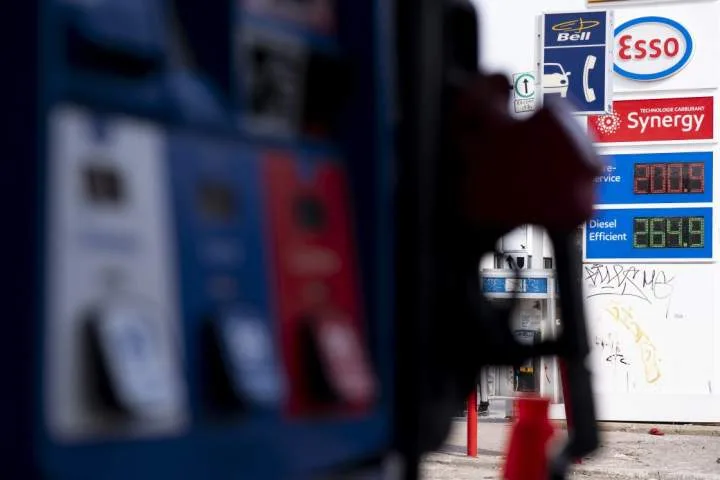
Gas prices remain elevated worldwide in the fallout from the Iran war and some temporary relief at the pumps for Canadian consumers is set to end next month when the fuel excise tax pause expires.
It is not yet clear if the federal government plans to extend the pause, but if it does expire next month, then it could wind up costing even more to fill up.
Ottawa launched the temporary measure in April , which removed the federal excise tax from retail gas in Canada until Sept. 7.
“Clearly the removal of the federal excise tax took some of the sting away from these higher prices,” says Dan McTeague, president of Canadians for Affordable Energy.
“The effect has been to, I think, provide at least some mitigating factors in terms of higher prices but it hasn’t been able to hold back the stampede towards higher prices that have cascaded into the rest of the economy.”
The Iran war severely constrained global oil supplies, with the Strait of Hormuz shipping channel in the Persian Gulf region, which normally sees about a fifth of the world’s crude oil and other supplies, essentially closed to cargo traffic for fear of attacks. That’s on top of significant damage done to neighbouring oil, gas, energy and maritime shipping infrastructure and facilities.
The price of U.S. oil, known as West Texas Intermediate, was hovering close to US$82 per barrel as of publication, down from a recent high of about $83 on Wednesday and up from $75 a week earlier.
CAA says the national average for regular grade gasoline in Canada is about CA$1.67 per litre, up from $1.64 a week ago and roughly $1.33 compared to the same time last year.
The prices consumers pay for gasoline and diesel at retail are based on a combination of factors, including global expectations of supply and demand for crude oil, in addition to various taxes and other charges businesses may pass along to consumers.
The federal excise tax is charged on products like gasoline separate from other taxes like HST, which remains in effect.
McTeague says bringing back the excise tax could mean an increase of roughly 10-11 cents per litre, depending on the region, and that’s separate from other factors that can change the price.
Without geopolitical and broader economic influences on consumer gas prices, there are also more predictable seasonal changes.
Most fuel makers are required to change the composition of their products depending on the time of year, with fall and winter months demanding different performance needs from summer gasoline blends.
Currently, gas stations in Canada are pumping summer-grade gasoline, which is formulated to reduce air pollution in warmer weather, and is comparably more expensive than winter blends.
5News aggregated this summary from the outlet’s public feed. The full article, with all the context, is on globalnews.ca — the content belongs to Global News.