Professional music journalism is declining at a frightening rate. What’s going on?
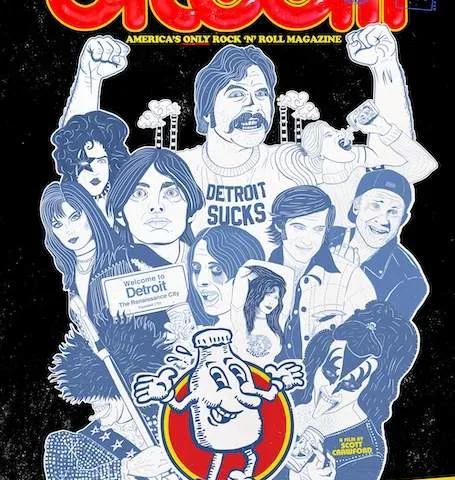
I spend a couple of hours each morning scouring online sources for the latest music news and recommendations.
Some of what I find gets compiled and linked from my personal website , while other information gets turned into Ongoing History of New Music shows and my Uncharted: Crime and Mayhem in the Music Industry podcast.
It’s also how I keep up to date on what’s going on in the world of music. It’s all part of the gig, you know? It’s been getting harder to keep on top of things because music journalism has been taking hit after hit after hit.
Sites I used to rely on to stay informed have been disappearing at an alarming rate. And this month, four excellent sites were gutted.
Veeps , the livestreaming startup founded by Benji and Joel Madden of Good Charlotte and now owned by Live Nation, has taken apart the editorial staff of Alternative Press, Brooklyn Vegan, Revolver and Goldmine. The first three provided all kinds of alt-rock material (especially of the underground/emerging/up-and-coming variety), while Goldmine was essential reading for collectors and vinyl junkies. Nearly all the staff of each publication have been let go. This is very, very bad.
Trusted, human-curated professional music journalism has been a part of the culture for decades. Not only do fans depend on this information, but so do artists, labels and the live music industry. The future of the sites is obviously uncertain, and it’s unclear why a company as big as Live Nation would do this.
Yes, online advertising is a battleground, especially as agencies allocate ad dollars to social media platforms such as TikTok and Instagram. The attitude seems to be to dump money into influencers and paid social media views. Great. Fantastic. How’s that working for you?
This decline has been underway for years. In the late ’90s/early 2000s, I spent somewhere around $3,000 a year on music magazines. While that seems excessive today, it was bloody essential back then. The web still consisted of Geocities and Angelfire sites that contained both valuable fan-created content and plenty of material of dodgy provenance.
I bought hundreds of issues of Q, Select, Mojo, Record Collector, Vox, Smash Hits, Chart Attack, Melody Maker, The NME, Trouser Press, Sounds, Kerrang, Alternative Press, Blender, Smash Hits, SPIN , and so many others. It was a golden age of music magazines.
Eventually, my basement archive of music magazines became a fire hazard, so I sold everything off for a pittance. Rolling Stone started experimenting with online content in 1996, but, wary of cannibalizing physical magazine sales, chose not to share too much. Besides, internet speeds were too slow to handle anything more than primitive graphics. And don’t get me started on attempts at streaming video back then.
The same with Billboard (debuted online in 1995), Pitchfork (1995) and All Music Guide (also 1995 … Loved it! And it still exists!).
5News aggregated this summary from the outlet’s public feed. The full article, with all the context, is on globalnews.ca — the content belongs to Global News.