Detroit automakers fear North American trade deal revamp could cost them billions
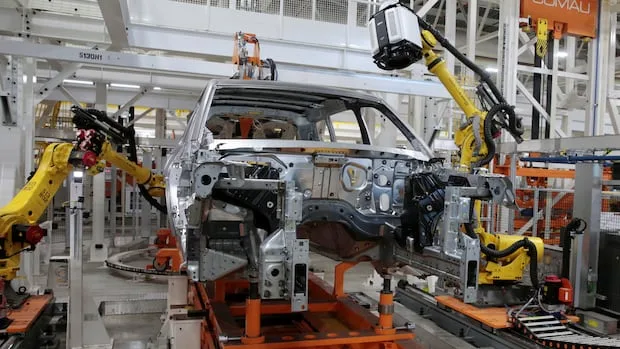
Detroit’s automakers plan to argue to the Trump administration that its proposals for a revised North American trade deal could cost the companies billions of dollars and hurt their competitiveness with foreign rivals.
U.S. car companies are still struggling to absorb the bevy of tariffs the administration implemented last year, including levies on steel and aluminum, car parts and vehicles shipped in from Mexico and Canada, and say rivals from Japan, South Korea and Europe face lower tariff burdens.
CUSMA breakdown could mean hundreds of thousands of jobs, a trillion dollars lost: report
Now, U.S. auto executives worry that U.S. proposals floated ahead of talks scheduled with Mexican trade officials next month could jack up costs even further.
One of the most contentious points for automakers is Washington's demand that vehicles contain at least 50 per cent U.S.-made content to qualify for lower tariffs, as Reuters reported in May. That requirement, as well as a proposal to increase overall North American vehicle content from the current 75 per cent level, would add at least $2 billion US in annual costs for each Detroit automaker, according to estimates at two automakers.
Those expenses would come atop costs the automakers have already been incurring from the various levies in place since last year.
Carney, Trump to be given 'options' following latest trade talks, says U.S. rep
The U.S. Trade Representative's office did not respond to a request for comment. Administration officials have said their tariff moves have been aimed at spurring more U.S. factory investment and jobs.
General Motors expects gross expenses related to tariffs to cost it $2.5 billion US to $3.5 billion US this year, potentially representing more than 20 per cent of its operating profit.
Ford Motor has pegged its net tariff hit at about $1 billion US this year.
In an apparent signal to the White House of its commitment to make more cars domestically, Ford said on Wednesday it would move production of Lincoln models for the U.S. market to American factories from China, citing the Trump administration’s tariffs as a driving factor.
Ford CEO Jim Farley told Reuters the company might have been unprepared early on for the administration’s commitment to increasing U.S. auto production. But Ford – which already builds a larger percentage of its U.S.-sold vehicles domestically than its Detroit rivals – got the message, he said.
“It dawned on us very quickly, ‘Hey, look, we need to make some changes here,’” he said.
Canada, U.S. not yet ready to make tariff deal, Canada unsatisfied with latest U.S. offer: sources
5News aggregated this summary from the outlet’s public feed. The full article, with all the context, is on www.cbc.ca — the content belongs to CBC World.