No, Alberta Does Not ‘Subsidize’ the Rest of Canada
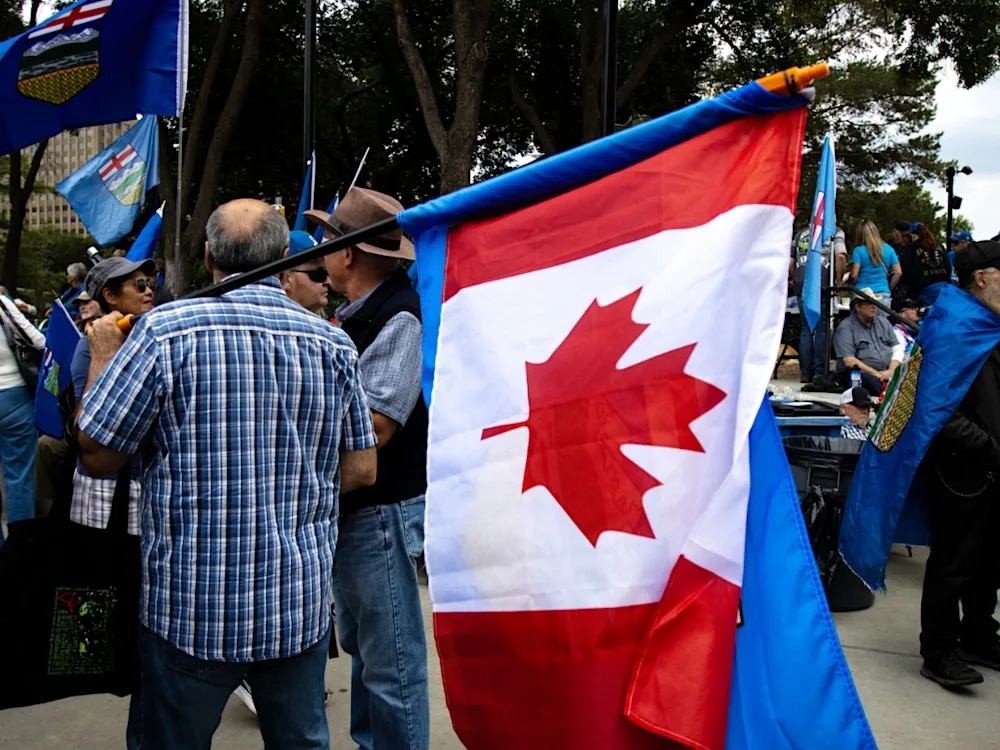
The biggest single grievance weaponized by the Alberta separatist movement is the long-held belief that the province “subsidizes” the rest of the country. Since Alberta as a whole pays more to the federal government than it directly receives back, the argument goes, the rest of the country is sponging off the province’s largesse — and Albertans would be richer if they cut ties and left.
There is no more potent symbol of that supposed subsidization than the federal equalization program , which provides federal fiscal top-ups to provinces with below-average economic capacity. The principle is that all Canadians should have access to quality health care and education, no matter how rich or poor is their province.
Redneck animosity for Quebec (the largest single recipient of equalization payments) pours gasoline on these fires of resentment. The rhetoric implies Alberta cuts billion-dollar cheques to Quebec year after year.
This claim of interprovincial subsidization is completely false. Alberta pays no money to Quebec, or to any other province. The Alberta government, like other provinces, receives huge transfers from Ottawa to help pay for health care and other programs.
All these transfers, including equalization, are funded from the federal government’s general revenues. No extra levies are imposed on the higher-income provinces (currently including B.C., Alberta and Saskatchewan) that don’t receive equalization.
Since money is fungible — that is, dollars are interchangeable and equal in value — Albertans can’t claim their taxes paid for Quebec’s equalization payments. Quebecers could equally claim that their taxes paid for federal expenses in Alberta, such as grants for public transit, wildfire fighting or subsidies to oil companies. “ Sacré bleu ,” they could rage, “stop subsidizing those western bastards!”
For all the smoke and fury that equalization generates, it is a modest program, making up just four per cent of total federal spending in 2025-26. And while it is superficially true that more money flows from Alberta to the federal government than comes the other way, the separatist interpretation of this as a ripoff is very misleading.
First, some of the money flowing to Ottawa “from Alberta” doesn’t come from Albertans. For example, corporate taxes levied on multinational businesses — such as super-profitable oil companies — are paid by their foreign owners, not by Albertans. Indeed, a good chunk of those profits originated from sky-high prices paid by Canadians in other provinces for products sold by Alberta-headquartered petroleum giants.
Second, Albertans benefit from many federal services, from passports to national defence to currency and central banking, that are essential but not physically provided in Alberta. They must be included in any cost-benefit calculation.
More fundamentally, the entire focus on whether federalism benefits Alberta as a whole is misplaced. Alberta’s economy is not a homogeneous entity, in which each Albertan holds a proportionate stake. Individual Albertans interact differently with the “economy,” depending on what they do, what they own and how secure they are.
5News aggregated this summary from the outlet’s public feed. The full article, with all the context, is on thetyee.ca — the content belongs to The Tyee.