Do pimple patches actually work? Here’s what the science says
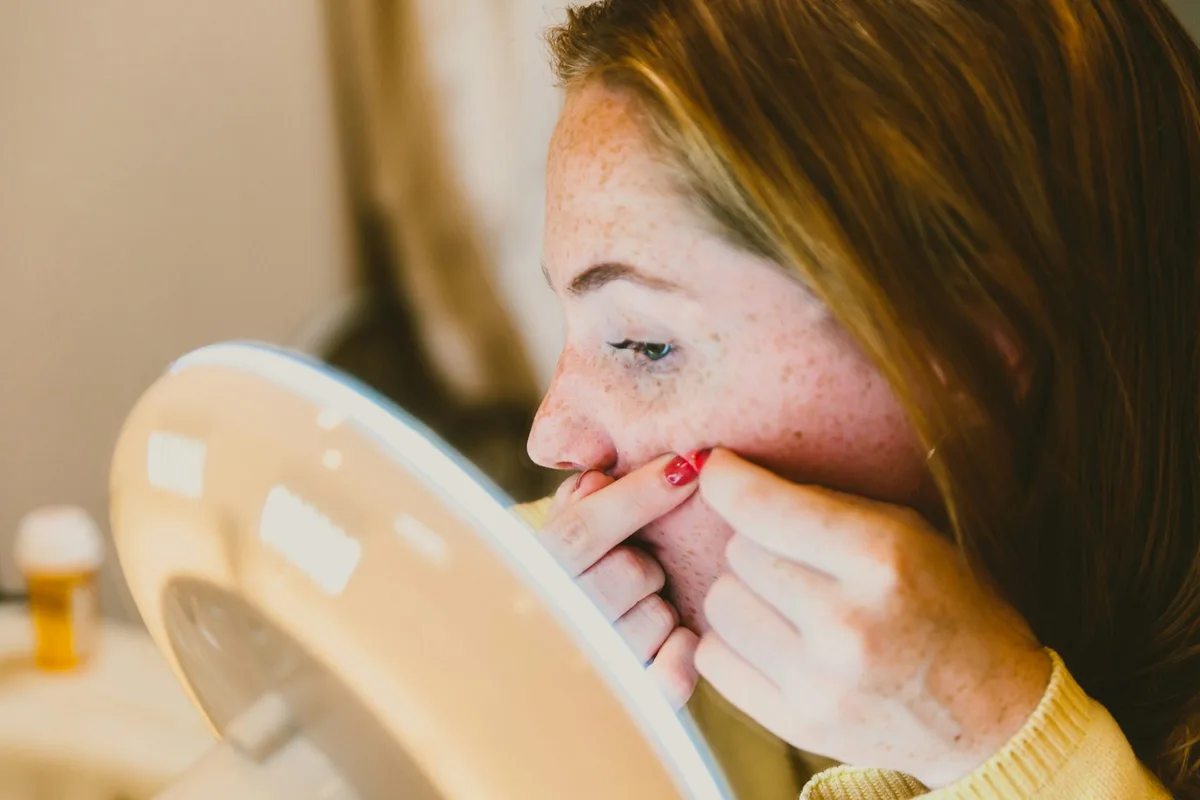
Brian/Getty You’re standing in the skincare aisle and pimple patches are everywhere – clear ones, flesh-coloured ones, stars, hearts.
They promise to flatten a pimple overnight.
Then there are those satisfying social media videos where someone peels off a pimple patch to reveal a much calmer-looking pimple underneath.
But do pimple patches actually work? And what are they really doing to your skin? What’s a pimple? A pimple forms when a hair follicle gets clogged with oil, dead skin cells and bacteria, causing inflammation, redness and sometimes a pus-filled head.
You might also hear a pimple called a “spot” or a “zit” – these are just names for the same thing.
“Acne” is the name for the broader skin condition of getting pimples recurrently (along with blackheads and whiteheads), rather than a word for a single pimple.
In this article we’ll mostly stick to “pimple” for an individual lesion, and use “acne” only when we’re talking about the overall condition.
Pimples affect an estimated 20.5% of people worldwide at any one time, and up to 80–85% of adolescents .
This makes it one of the most common skin conditions.
What are pimple patches? Pimple patches look like a TikTok-era invention, but the underlying technology isn’t.
They’re based on hydrocolloid dressings , which were developed decades ago for wound care.
Then dermatologists began adapting them for skin conditions, such as acne.
Hydrocolloid patches caught on as a beauty product in South Korea almost 20 years ago before crossing into Western markets around 2012.
Today’s pimple patches are made from a hydrocolloid material – a gel-forming substance – which is often a blend of ingredients such as pectin, gelatin and carboxymethylcellulose.
5News aggregated this summary from the outlet’s public feed. The full article, with all the context, is on theconversation.com — the content belongs to The Conversation Australia.


