Thursday 15 October 2026 SourcesAbout🌓
🇦🇺 AU ▾
BREAKING
› Labor and Coalition reject bill to stop incarcerated women being shackled in childbirth› Man drives through Northland shopping centre› Five bodies found along a 1.6km trail, triggering serial killer fears› Royal Caribbean cruise passenger who fell overboard rescued after 20 hours in the Ionian Sea› Aussie selectors get last laugh after controversial Nic Maddinson call for South Africa Test› Big W drops new limited-edition collection with Jules Robinson - and it’s set to sell out fast› John Stamos reveals 'angel' Bob Saget appeared at hospital bedside after DUI arrest› Billy Crystal reveals 'profound' grief over Rob Reiner murder› Michael Douglas reveals secrets of Spanish mansion he couldn't sell› ASIC drops insider trading probe into billionaire Richard White› Labor and Coalition reject bill to stop incarcerated women being shackled in childbirth› Man drives through Northland shopping centre› Five bodies found along a 1.6km trail, triggering serial killer fears› Royal Caribbean cruise passenger who fell overboard rescued after 20 hours in the Ionian Sea› Aussie selectors get last laugh after controversial Nic Maddinson call for South Africa Test› Big W drops new limited-edition collection with Jules Robinson - and it’s set to sell out fast› John Stamos reveals 'angel' Bob Saget appeared at hospital bedside after DUI arrest› Billy Crystal reveals 'profound' grief over Rob Reiner murder› Michael Douglas reveals secrets of Spanish mansion he couldn't sell› ASIC drops insider trading probe into billionaire Richard White
Science

Our detection dogs are helping protect one of Australia’s most imperiled lizards
The Conversation Australia ·
Our detection dogs are helping protect one of Australia’s most imperiled lizards

Rick Hammond/Zoos Victoria Many of the Australian animals most at risk of extinction are extremely tough to track down.

That’s because they live in small pockets of disappearing nature, such as rare grasslands or ancient forests, in worryingly low numbers .

One of the most obscure is the Victorian grassland earless dragon ( Tympanocryptis pinguicolla ).

These lizards can be identified by the three white stripes that run along their light brown bodies.

But their minuscule size, with a body about the length of your pinky finger, makes them difficult to spot.

This allows them to be creative with where they sleep – their favourite location being the wolf spider’s tiny burrows .

The Victorian grassland earless dragon currently wears the heavy crown of Australia’s most imperiled reptile .

The destruction of their native grasslands is a major reason why.

But after evading detection for more than 50 years, this lizard was rediscovered in a west Victorian sheep paddock in 2023.

This remains the only known population in the world.

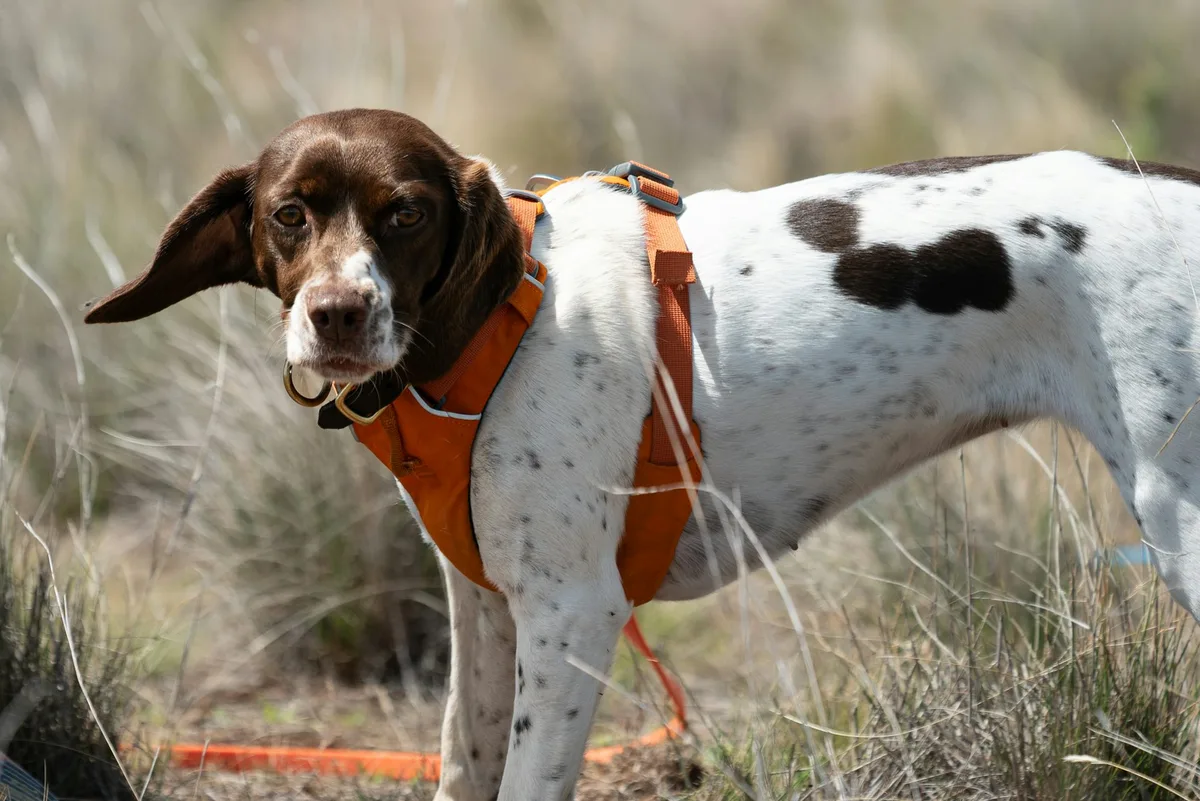
This new study , led by La Toya Jamieson from Zoos Victoria, investigated whether wildlife detection dogs could help us protect these little dragons – by first finding their poo.

The Victorian grassland earless dragon is quite an elusive creature.

Rick Hammond/Zoos Victoria Conservation’s best friend Wildlife detection dogs use their sense of smell to locate plants, animals and fungi in their natural environment.

These dogs play a pivotal role in conservation efforts across the globe – all for the reward of a toy, cuddle or handful of treats.

Read the full article on The Conversation Australia ›

5News aggregated this summary from the outlet’s public feed. The full article, with all the context, is on theconversation.com — the content belongs to The Conversation Australia.


More from The Conversation Australia

See all ›

More in Science

See all ›