Weeping whales: why one humpback whale mother stayed beside her dead newborn
It was a tragic sight.
One day last July, a newborn humpback whale calf lay motionless on the seafloor, just a kilometre off Australia’s Gold Coast.
The encounter was captured through underwater video .
For more than an hour, the mother repeatedly returned to the same spot, gently touching the calf with her head and pectoral fin and resting beside it eye-to-eye.
Our new research suggests this is the first described case of a humpback whale mother caring for her deceased newborn calf.
The encounter offers a rare window into one of the least understood aspects of whale behaviour: how these highly social animals respond to death.
And it raises the question: do whales, and other highly social animals such as elephants, grieve? Caring creatures Humpback whales are famous for their spectacular migrations and acrobatic breaches.
However, they are equally remarkable for the way they respond to other animals in distress.
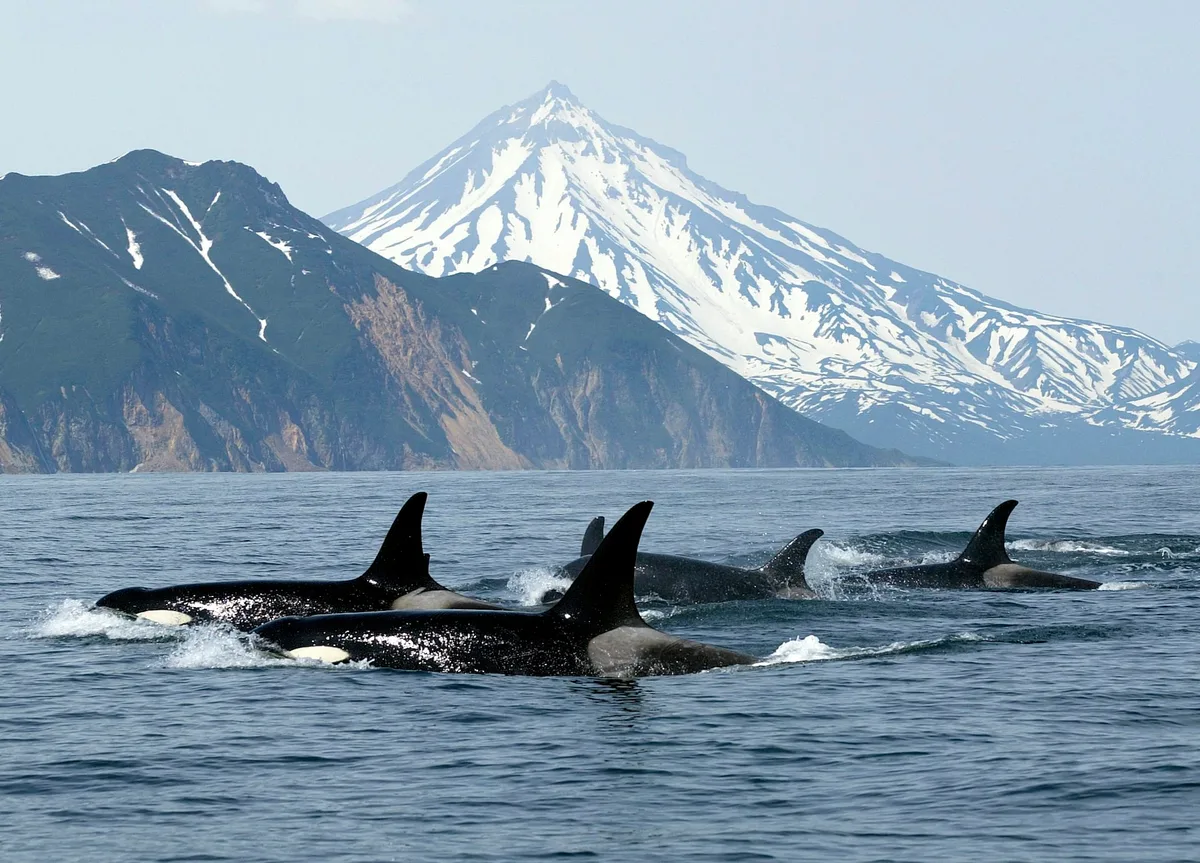
Humpback whales often defend their calves from killer whales.
Researchers have also observed them remaining alongside whales that are injured or entangled in nets , circling them, resting nearby and attempting to assist.
Humpback whales may even intervene when killer whales attack seals, sea lions and grey whale calves.
These responses of care and attention are known as epimeletic behaviour and are common among cetaceans , a group of marine mammals including whales, dolphins and porpoises.
Dolphins and killer whales often remain close to distressed companions, evidence of their strong social bonds.
These animals may even risk their own lives for others.
5News aggregated this summary from the outlet’s public feed. The full article, with all the context, is on theconversation.com — the content belongs to The Conversation Australia.



