CMV infection can pass from mother to baby during pregnancy. Here’s how to prevent it
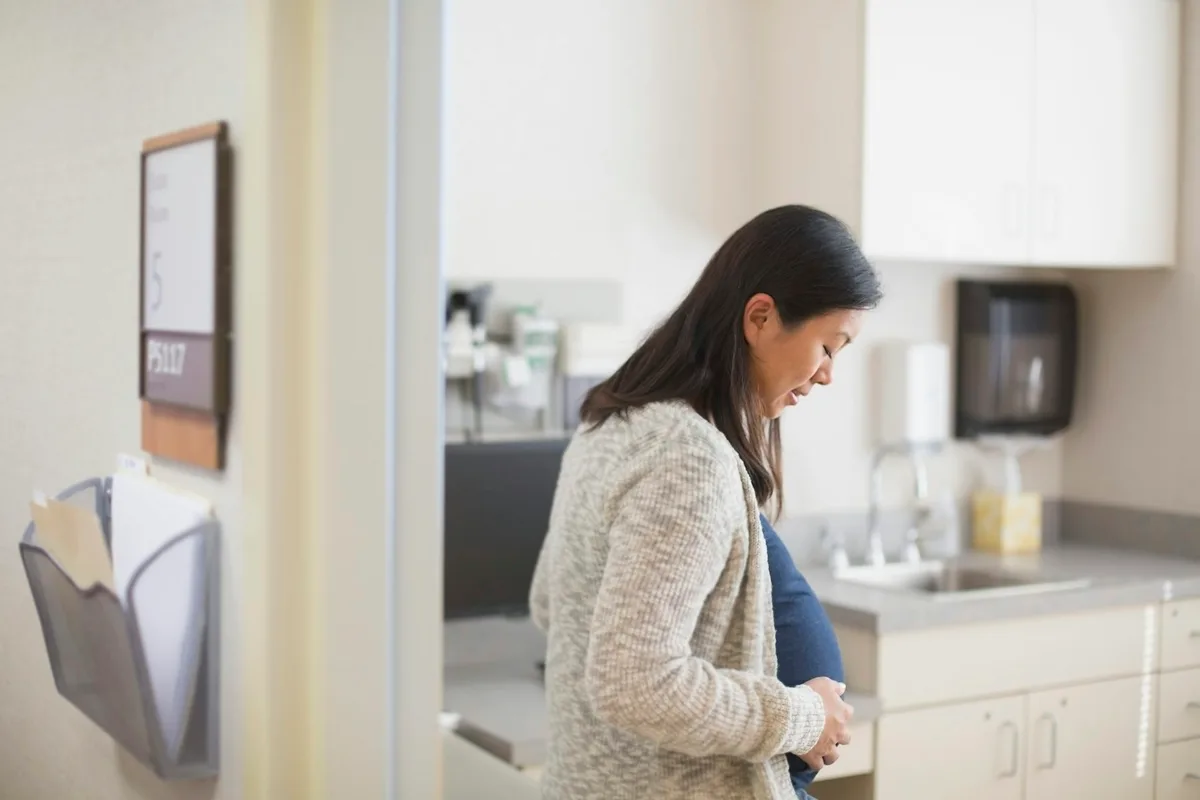
John Fedele/Getty Images Pregnant women are routinely advised to avoid certain soft cheeses and take care when handling cat litter due to the risk of harmful infections.
Far fewer are told not to share food, drinks or utensils with young children, and to wash their hands after changing nappies or wiping noses.
Yet these simple precautions can reduce infection from a virus called cytomegalovirus, or CMV.
CMV is the most common infection passed from mother to baby during pregnancy and is a preventable cause of childhood disability.
Early testing and targeted education for CMV-negative women has been shown to reduce infection rates from 7.6% to 1.6%.
This means only 17 at-risk pregnant women need to be given this information to prevent one CMV infection during pregnancy.
How does it cause illness? CMV spreads through direct contact with body fluids, particularly the saliva, nasal mucus and urine of young children.
CMV can cause a mild flu-like illness , with a fever and swollen lymph nodes, or no symptoms at all.
Young children are a common source of exposure because they can shed high levels of the virus in their body fluids for long periods while remaining well.
Parents, carers and childcare workers are therefore at increased risk of infection.
But when a pregnant person acquires CMV, in some cases the virus can cross the placenta and infect the developing fetus.
Around one in 200 babies is born with congenital CMV, meaning the infection has passed from mother to baby during pregnancy.
While most babies will be well, the infection and resulting inflammation can interfere with fetal development.
In some babies this can result in microcephaly (where the baby’s head is smaller than expected), hearing loss, developmental delay and cerebral palsy.
5News aggregated this summary from the outlet’s public feed. The full article, with all the context, is on theconversation.com — the content belongs to The Conversation Australia.



