‘Growth is good’: The towns avoiding the rural death spiral
Towns are born, and towns die. Behind the Great Dividing Range, towns are on life support. In once-prosperous farming towns, six hours between Melbourne and Sydney, the pubs are shut, and weatherboard homes are boarded up.
The rain has come, turning pastures into fields of green. But resentment runs deep: over illegal clearing prosecutions, net zero, fuel prices, stagnating local economies, and a city-country divide that is fuelling distrust about decisions being made in the capitals.
Fewer jobs mean fewer people. Now there aren’t enough of them to staff critical services in regional areas across NSW and Victoria.
“If you bring the people out, then services come as well, but they can’t come out because there are no bloody services,” says Keith Rowe, a farmer in West Wyalong, a six-hour drive from Sydney and Melbourne.
“We really need more new people coming into our town. And we don’t care how that mix is made up.”
No political party has been able to break the economic cycle of decline in parts of regional Australia. Fewer people means schools and shops close. Children leave. In 1960, the median age in West Wyalong was 26. Now it’s 43. In nearby Grenfell, it’s 52. The impact compounds as the years roll on, then steams home when those left behind realise all they once knew might one day be gone.
“I think about it a lot,” says Rowe. “It’s a real serious dilemma we’ve got.”
Rowe’s friend, farmer Rod Hardie, issues this warning: “The current system, the current economy, the current way things are running – we won’t be here.”
Once upon a time the Nationals were the natural representatives of the vast tracts of land spanning Nicholls and Mallee in Victoria and the Riverina and Parkes in NSW. One Nation’s victory in the Farrer by-election in May and its surging support in national polls mean that all four are now in play.
In One Nation’s regional policy mix, immigration falls behind water buybacks and anti-net zero. Nevertheless, on a national scale, the party has harnessed the emotional impact of the perceived threat of immigration to its image of Australia, regardless of whether the large cuts it is proposing might do more harm than good to the economies it wants to represent.
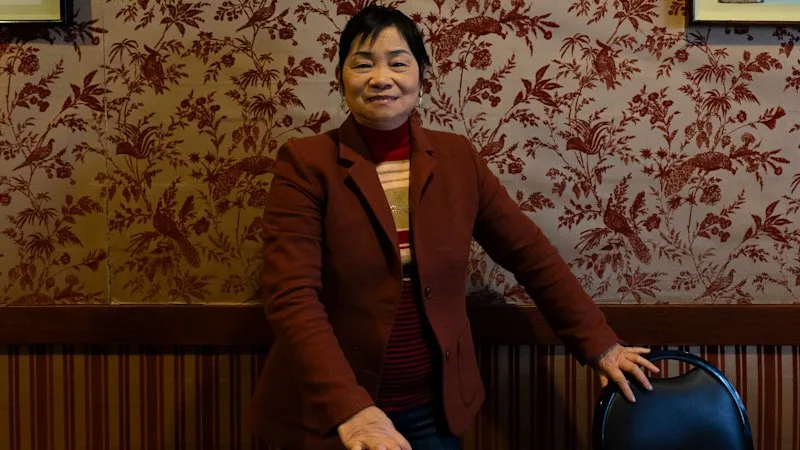
Betty Wu has owned the last Chinese restaurant in West Wyalong for three decades. Now she is voting for One Nation.
“I’m voting for the lady,” she says, referring to One Nation leader Pauline Hanson, who once claimed Australia was being “swamped by Asians” like Wu. “Something needs to change.”
Wu, who migrated to Australia from Guangdong in South China, once had multiple competitors along West Wyalong’s main drag. Nearby restaurant Lam and May has gone takeaway only. At lunchtime on a Thursday, Wu sits alone in a banquet room, hoping someone will walk in.
Nearby, in the regional hub of Cowra, once a postwar centre for Eastern European migrants, the shift from farmhands to an increasingly mechanised workforce has reduced the working-age population, while its retirement-age population has surged.
5News aggregated this summary from the outlet’s public feed. The full article, with all the context, is on www.theage.com.au — the content belongs to The Age - Home.