Sunday 18 October 2026 SourcesAbout🌓
🇦🇺 AU ▾
BREAKING
› ATO gave months-long warning on credit card payment ban› Victorian opposition promises to scrap Labor-imposed ban on gas and hot water appliances› Good news for jockeys amid fallout from horror Caulfield Cup fall› Li Huifang: Chinese kindergarten owner jailed after poisoning 247 children with toxic additives› Cabinet minister Tim Ayres calls for Greens leader to answer ‘questions’ amid Jordon Steele-John scandal› Adelaide’s Irish sisters Niamh and Grace Kelly stun Gold Coast to shake up AFLW finals equation› Sculpture by the Sea 2026: Bondi comes alive with beachside art – in pictures› ‘The strategy is just to humiliate’: concerns growing about ‘rage-bait machine’ street interview tactics› Fans erupt as England’s nightmare Rugby League World Cup fate exposed after loss to Tonga› Benji was born at 25 weeks and weighing 550g. Today the micropreemie is about to finish kindy.› ATO gave months-long warning on credit card payment ban› Victorian opposition promises to scrap Labor-imposed ban on gas and hot water appliances› Good news for jockeys amid fallout from horror Caulfield Cup fall› Li Huifang: Chinese kindergarten owner jailed after poisoning 247 children with toxic additives› Cabinet minister Tim Ayres calls for Greens leader to answer ‘questions’ amid Jordon Steele-John scandal› Adelaide’s Irish sisters Niamh and Grace Kelly stun Gold Coast to shake up AFLW finals equation› Sculpture by the Sea 2026: Bondi comes alive with beachside art – in pictures› ‘The strategy is just to humiliate’: concerns growing about ‘rage-bait machine’ street interview tactics› Fans erupt as England’s nightmare Rugby League World Cup fate exposed after loss to Tonga› Benji was born at 25 weeks and weighing 550g. Today the micropreemie is about to finish kindy.
Science

From war to weather, Australian farmers are planting spring crops in an uncertain world
The Conversation Australia ·
From war to weather, Australian farmers are planting spring crops in an uncertain world

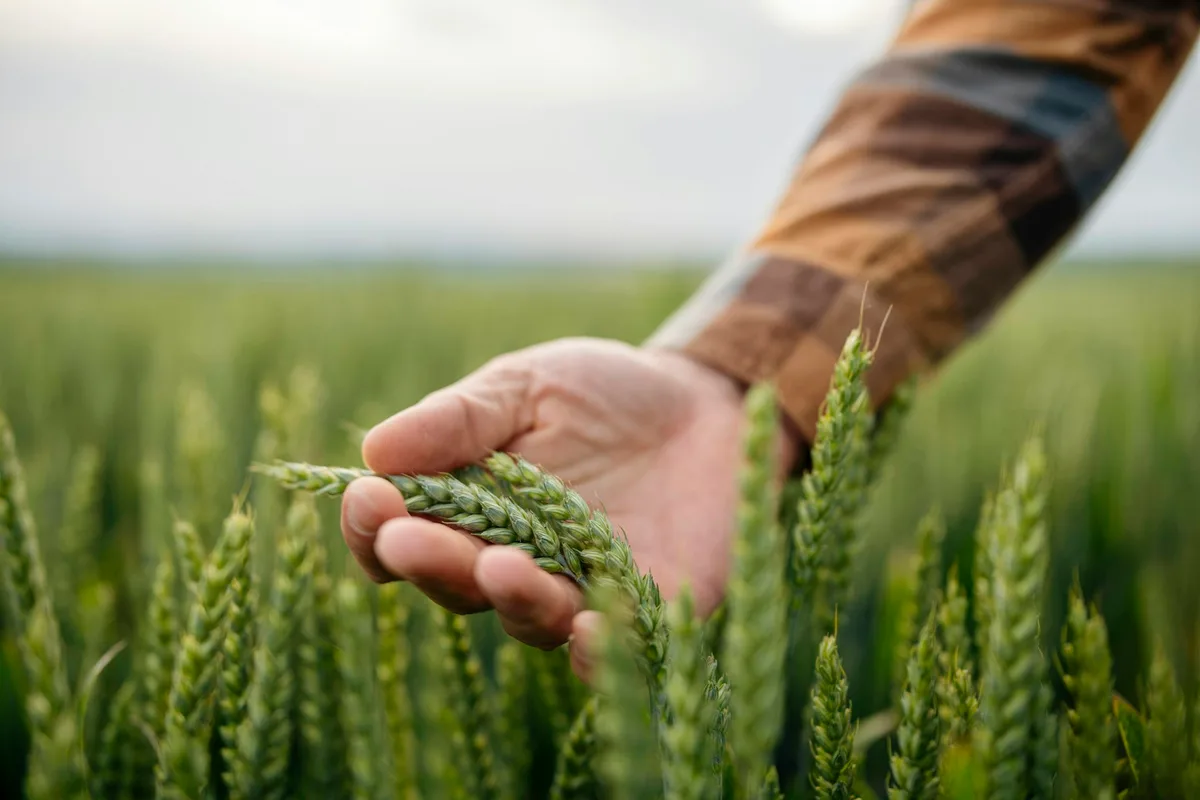
ArtistGNDphotography/Getty Australian farmers are heading into spring with an unusual mix of optimism and uncertainty.

The latest crop forecast from the Australian Bureau of Agricultural and Resource Economics and Sciences (ABARES) predicts the nation’s farmers will harvest 61 million tonnes of winter crops.

That would be Australia’s fourth-largest winter harvest on record, sitting 16% above the ten-year average.

Despite a dry winter forecast, better than expected rainfall boosted crop growth across South Australia, Victoria and southern New South Wales.

But these national figures don’t capture differences between regions, which can be enormous.

For example, conditions in the Mediterranean climate of Western Australia’s cropping zone can be completely opposite to the graingrowing regions of northern NSW with their warm, wet summers.

And fluctuating global fuel and fertiliser markets, coupled with a potentially record-breaking El Niño , are forcing farmers to make some difficult decisions.

Wars and weather Australian farmers are under pressure on multiple fronts.

Here are two worth noting.

Protracted wars Far beyond Australia’s borders, the conflicts in Ukraine and the Middle East have made fuel, fertiliser, freight and commodity markets even more volatile .

For Australian farmers, the consequences are tangible.

High fuel costs and supply constraints limit their ability to apply more fertiliser to their soils.

As nitrogen prices soar and forecasts point to a dry end to the season, investing in a crop that may run out of water makes little economic sense.

High fertiliser costs and supply concerns have clearly influenced planting decisions in some regions, according to ABARES data.

Read the full article on The Conversation Australia ›

5News aggregated this summary from the outlet’s public feed. The full article, with all the context, is on theconversation.com — the content belongs to The Conversation Australia.


More from The Conversation Australia

See all ›

More in Science

See all ›

