Rate rise back on cards despite a step down in inflation
Borrowers could be delivered the worst of all Christmas presents with the Reserve Bank likely to consider a further interest rate rise to deal with sticky inflation pressures that are now accelerating through the residential building sector.
Financial markets believe there is a strong chance the Reserve will use its November meeting to push official interest rates to 4.6 per cent - their highest level in 15 years - despite headline inflation easing to a 10–month low of 3.5 per cent in July. Economists had expected inflation to drop to 3.3 per cent.
Of more concern to the Reserve Bank was a 0.5 per cent lift in underlying inflation which remained steady at 3.6 per cent.
Treasurer Jim Chalmers focused on the drop in the headline inflation rate which has now fallen four consecutive months. But he noted that the economic fallout from America’s war against Iran, which has pushed up prices on everything from fuel to PVC pipes, was broadening.
“While the initial impact from the conflict on inflation came from fuel, we’re now seeing it broaden into other areas of our economy like dwelling construction costs,” he said.
A fifth of the monthly increase was due to the government partially increasing fuel excise. The tax on petrol and diesel returned to its pre-war level at the start of August.
Other key contributors to the overall result was an unexpected jump in the price of household furnishings such as carpets and furniture and a sharp lift in domestic airfares coinciding with July school holidays.
But the figures confirmed there continue to be ongoing inflationary pressures that, despite the Reserve Bank’s three interest rate rises this year, will not go away.
House construction costs, a key concern of the bank, continue to grow as builders lift their prices due to the fallout from the Iran war on construction materials and higher wages.
Every city has recorded a sharp lift in building costs over the past 12 months. In Perth, prices were climbed by 2.6 per cent in the 12 months to July last year. Over the past year, they’ve grown by 8.3 per cent.
The smallest growth has been in Melbourne where prices have lifted by 3.9 per cent over the past year. That was after falling by 1.4 per cent in the year to July 2025.
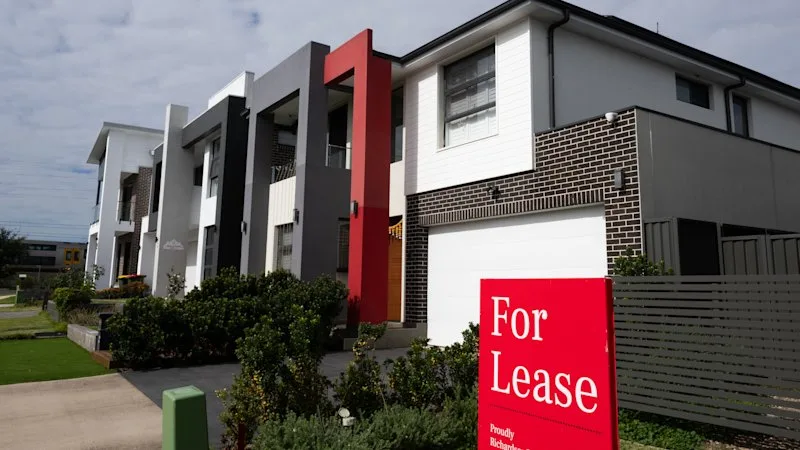
It’s a similar story for rents. Rents are climbing fastest in Darwin, up by 6 per cent over the year, while they have lifted by just 1.3 per cent.
Since July 2022, soon after the Albanese government came to power, rents have soared by almost 35 per cent in Perth, 28.6 per cent in Brisbane, 24.7 per cent in Sydney and 20 per cent in Melbourne. They have lifted by just 6.5 per cent in Canberra and by 3 per cent in Hobart.
Shadow treasurer Tim Wilson said the government’s budget policies were to blame for high inflation and the prospect of further rate rises.
5News aggregated this summary from the outlet’s public feed. The full article, with all the context, is on www.brisbanetimes.com.au — the content belongs to Brisbane Times.