Hyundai: Safer, denser, and more cost-effective batteries are coming
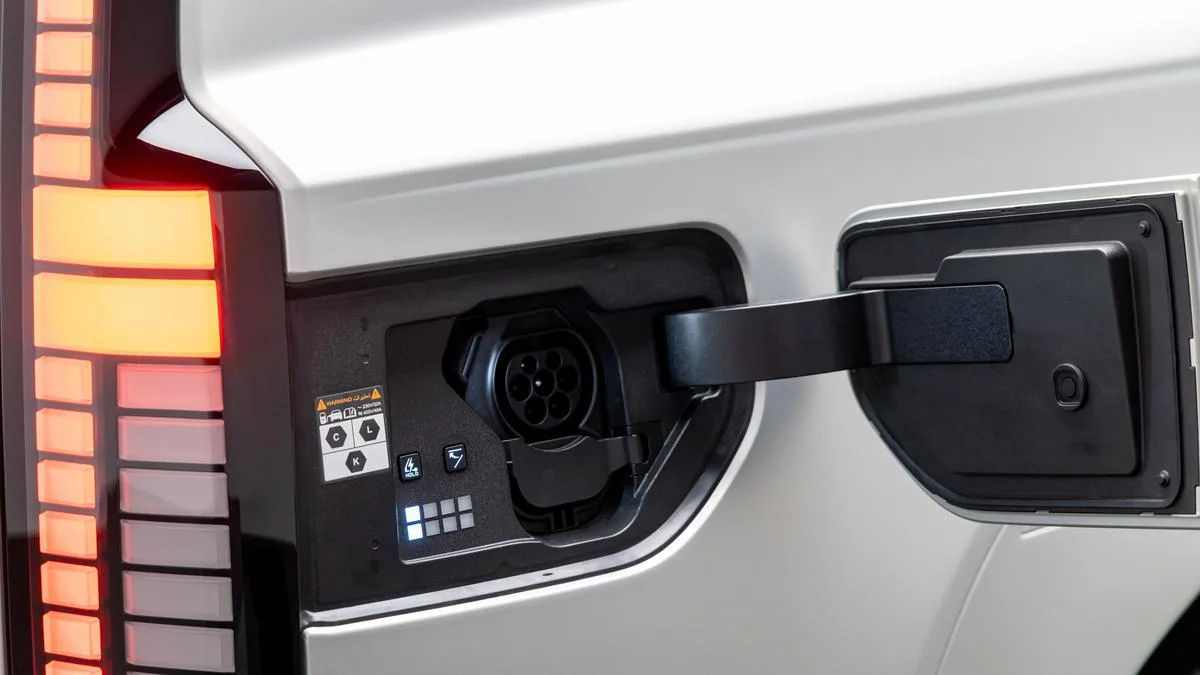
Hyundai says it's making advances with several types of batteries, improving energy density and cost, while also making them less dangerous.
The company announced at its 2026 Investor Day in Seoul it has developed a major advancement in battery safety.
Called Thermal Runaway Protection (TRP), Hyundai says the technology isolates a damaged cell to stop it from propagating to surrounding cells – using cloud-based predictive software to diagnose potential failures.
🚘 Don’t just read about your next car. Find a great deal with CarExpert.
While very rare, thermal runaway has become one of the toughest challenges since the popularisation of electric cars, with the batteries creating toxic and often uncontrollable fires at extremely high temperatures.
According to the Korean car giant, its labs have conducted more than 200 tests of the TRP system on high-nickel NCM (nickel cobalt manganese) batteries, and will begin rolling out the safety technology on the Genesis GV90 flagship SUV.
Along with identifying abnormalities in battery cells, the cloud-based Battery Management System will also incorporate adaptive charging, real-time optimisation, and pre-verification based on the state of battery degradation – resulting in a potential 20 per cent improvement in battery life and durability.
In real-world tests among a fleet of Hyundai Ioniq 5 vehicles operating in South Korea, the vehicles averaged a 94.5 per cent battery health after more than 400,000km.
Hyundai also says it has designed its own battery cell, claiming to offer twice as much power as NCM battery cells currently used by Hyundai, while also reducing charging times by up to 40 per cent.
Though full details have not yet been announced, the automaker has revealed the new battery technology will debut on extended-range electric vehicles (EREV) in 2027 – potentially debuting on the Santa Fe EREV.
As reported earlier this week, the Santa Fe EREV will offer up to 966 kilometres of combined driving range.
The advancement of smaller and more powerful batteries could have a snowball effect on vehicle efficiency, allowing for lighter cars and reducing the load on electric motors.
However, Hyundai’s engineers have also been working on more cost-effective batteries, too. A mid-nickel NCM battery is said to deliver 30 per cent more energy than equivalent lithium iron phosphate (LFP) batteries – while targeting a 30 per cent reduction in cost compared to high-nickel NCM batteries by 2027.
Hyundai has confirmed it will launch more than 100 new and updated models across the globe by 2030, while pivoting the company to focus on artificial intelligence (AI) and robotics.
5News aggregated this summary from the outlet’s public feed. The full article, with all the context, is on www.perthnow.com.au — the content belongs to PerthNow.