Irritable bowel study seeks clues on why women targeted
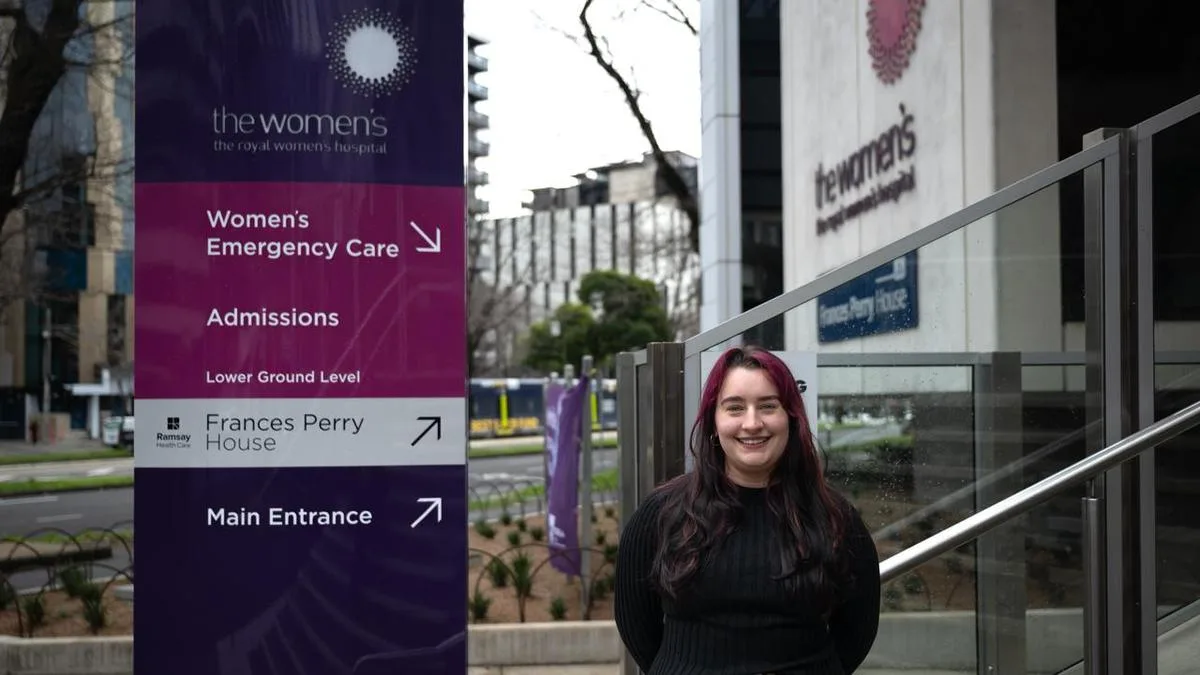
But for Isabelle Pfundt, who was living with an undiagnosed illness that worsens from stress, year 12 became one of the worst years of her life.
"It's a male gastroenterologist, and he says 'are you sure it's not just you trying to get out of a maths SAC (School-Assessed Coursework)?" she said.
"Which I felt was quite ageist and also quite sexist. At 17, I didn't give him a piece of my mind, but now at 26 I certainly would."
She was referred for a colonoscopy and gastroscopy and her GP eventually diagnosed her with Irritable Bowel Syndrome (IBS), a condition that's now the focus of a world-first study.
Ms Pfundt took matters into her own hands and sought out an IBS dietician to manage herself on a low-FODMAP diet, which eliminates food triggers and brought more of her symptoms under control.
When her symptoms worsened a few years later, she saved up to pay for private specialists who found she also had endometriosis and got it surgically removed.
She said her story highlighted the burden women with IBS and endometriosis face in the health system.
"My experience with a public gastroenterologist was night and day with the private gastroenterologist and gynaecologist that I saw," she said.
"It's something that I scrimped and saved to pay for to get that better quality of care, but it's certainly not something that's easy for me to afford, or is even possible for most people to afford to."
About one in five Australians will experience IBS in their lifetime and it is twice as common in women than men, with female symptoms tending to be a lot worse, University of Melbourne Associate Professor Jessica Biesiekierski said.
"It's very much linked to those biological mechanisms that are occurring across the life stages that we go through," she said.
"Hormones, including oestrogen and progesterone, really quite strongly affect our gut motility and then how sensitive the gut is to pain."
Assoc Prof Biesiekierski is currently recruiting people with IBS for a world-first study to investigate dietary and behavioural treatment options, by giving one group a FODMAP diet and the other cognitive therapy.
She said more research was vital to better diagnose, adapt and individualise treatment for women because current treatment pathways were generic and not tailored by gender.
5News aggregated this summary from the outlet’s public feed. The full article, with all the context, is on www.perthnow.com.au — the content belongs to PerthNow.