Friday 16 October 2026 SourcesAbout🌓
🇦🇺 AU ▾
BREAKING
› Giovanni Leoni’s return from injury delayed in fresh blow to Liverpool› ‘Lot of discomfort’: Ponga has suspected broken arm as Walsh, Bostock break Kiwi hearts› Russia and Ukraine resume strikes as Trump ‘energy ceasefire’ collapses› Milei adviser claims UK being ‘colonised by Islam’ as Falklands row grows› Remains may be earliest evidence of ancient human speared to death› Alex Scott quits Disney+ role as Women’s Champions League presenter› Trump says military execution will not be livestreamed› ‘Stranger than stranger-than-fiction’: how Lance Oppenheim made the year’s two buzziest films› EU must curb energy prices to prevent people turning to populists, commissioner warns – Europe live› Breaking: Donald Trump calls off planned live stream of firing squad execution› Giovanni Leoni’s return from injury delayed in fresh blow to Liverpool› ‘Lot of discomfort’: Ponga has suspected broken arm as Walsh, Bostock break Kiwi hearts› Russia and Ukraine resume strikes as Trump ‘energy ceasefire’ collapses› Milei adviser claims UK being ‘colonised by Islam’ as Falklands row grows› Remains may be earliest evidence of ancient human speared to death› Alex Scott quits Disney+ role as Women’s Champions League presenter› Trump says military execution will not be livestreamed› ‘Stranger than stranger-than-fiction’: how Lance Oppenheim made the year’s two buzziest films› EU must curb energy prices to prevent people turning to populists, commissioner warns – Europe live› Breaking: Donald Trump calls off planned live stream of firing squad execution
Science

Scientists hope to shed light on young universe by using far side of the moon
The Guardian Australia - Science ·
Scientists hope to shed light on young universe by using far side of the moon

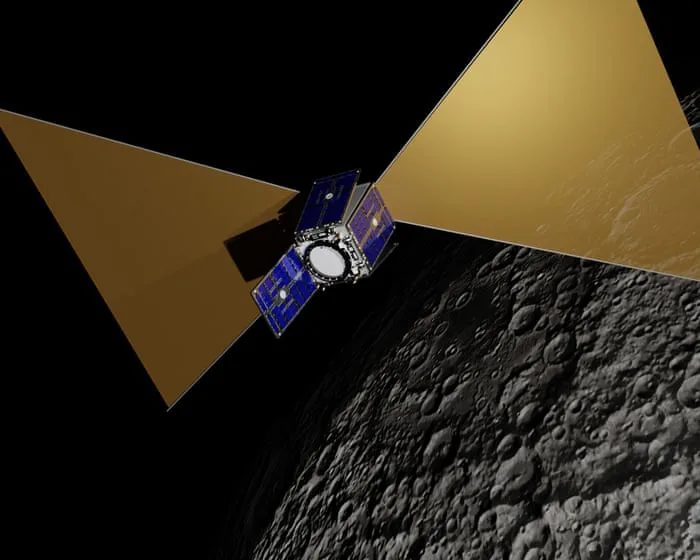
UK team seeking to put suitcase-sized satellite in orbit around moon in search for 21cm line radio frequency signal Little is known about what was happening shortly after the big bang, but now researchers are hoping to shed fresh light on the matter by harnessing the far side of the moon.

Scientists plan to put a suitcase-sized satellite into orbit around the moon, using the data it collects as it passes the far side to search for a radio frequency signal emitted by neutral hydrogen atoms in the early universe.

Continue reading...

Read the full article on The Guardian Australia - Science ›

5News aggregated this summary from the outlet’s public feed. The full article, with all the context, is on www.theguardian.com — the content belongs to The Guardian Australia - Science.


More from The Guardian Australia - Science

See all ›

More in Science

See all ›